Are Medical Spas Staffed by Licensed Medical Professionals?
November 15, 2025
November 15, 2025
Highlights:
- Medical spas deliver medical procedures and typically require physician oversight and licensed clinical staff.
- State rules vary on who may inject or operate lasers; supervision and training standards are central.
- Safe injection and energy-device practices hinge on licensed providers following clinical protocols.
- Patients should verify licensure, ask who performs each step, and review supervision policies.
- SKIN Lab Aesthetic Beauty Studio in Tupelo, MS emphasizes licensed care and transparent treatment plans.
Understanding Medical Spa Oversight
Medical spas sit at the intersection of healthcare and aesthetics. They offer services like neuromodulator and filler injections, laser procedures, and advanced skin treatments that go beyond the scope of a traditional day spa. Because many of these services constitute the practice of medicine, staffing is not merely a business choice—it’s a compliance requirement. In most models, a physician provides oversight; nurse practitioners, physician assistants, and registered nurses may deliver care under specific supervision rules, while licensed aestheticians handle non-medical skincare. The key question for patients is not just if staff are licensed, but how they’re supervised and trained.Licensing Rules and State Regulations
State law determines who can do what, and those rules differ significantly. Many jurisdictions treat injectables and certain device-based treatments as medical procedures, requiring medical orders, charting, and direct or delegated physician oversight. Authoritative industry references consolidate these differences so owners and patients alike can understand local requirements and scope of practice boundaries. In most states, med spa treatments are legally classified as medical procedures, meaning compliance depends on specific regulations regarding ownership, supervision, and who is authorized to perform or delegate such treatments.Role of the Medical Director and Delegation
Practically, this means a medical director (usually a physician) sets protocols, reviews or performs initial assessments, and delegates tasks to qualified clinicians within their licensure limits. Nurse practitioners and physician assistants may diagnose and treat within their scope, while registered nurses often administer injections under medical orders. Licensed aestheticians typically perform non-medical services, but device use and depth of treatment are capped by law. The result is a team-based model where licensure, scope, and supervision align. In every state, specific laws determine who may perform injections or operate lasers, and these tasks must follow well-defined delegation and supervision requirements.FAQ
Importance of Safe Injection Practices
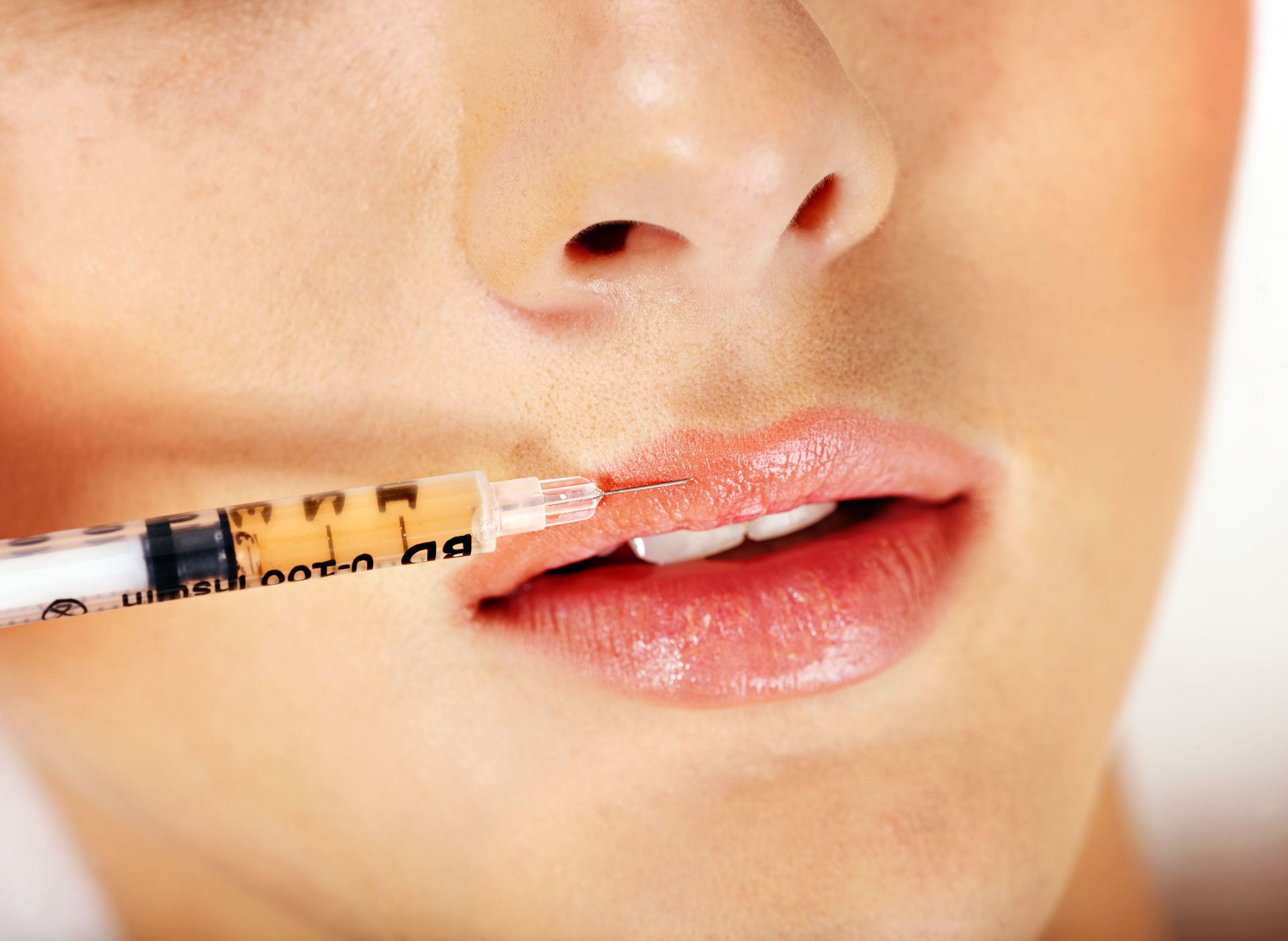
Oversight is only half the picture; safe technique matters too—especially for injections. Licensed medical professionals are trained in aseptic technique, anatomy, dosing, dilution, and complication management (e.g., vascular occlusion protocols). They also follow medication handling rules that reduce infection risk. Standard precautions and safe injection practices—such as using single-use needles and syringes, following proper vial handling, and maintaining a sterile environment—are fundamental expectations in any healthcare setting, including aesthetic medicine. These safeguards protect patients and staff while reducing preventable adverse events.Training for Energy-Based Device Use
Energy-based devices (lasers, IPL, RF, ultrasound) add another layer of clinical responsibility. Correct patient selection, parameter setting, eye protection, plume management, and post-care are essential to avoid burns, scarring, and pigment changes. These systems are regulated products with specific risks and operator expectations. According to the U.S. Food and Drug Administration (FDA) , medical lasers require trained professionals who understand device risks, labeling, and safety standards—underscoring why licensed providers and formal training are critical in med spa settings.Verifying Roles and Responsibilities
For patients, it’s helpful to ask about the division of labor: Who performs your assessment? Who injects? Who operates the device? Who manages complications? A quality med spa will walk you through credentials, explain supervision, and present written protocols and informed consent. Expect to hear how emergencies are handled (e.g., ACLS training, anaphylaxis kits, hyaluronidase availability) and what follow-up looks like. When everyone’s role is transparent—and aligned with licensure and state rules—outcomes improve and risks drop, especially for first-time patients or those with complex medical histories.FAQ
Consultations and Patient Safety
Because regulations vary, reputable clinics build compliance into their intake. You should be offered a consultation that includes medical history, contraindication screening, a treatment plan, and informed consent tailored to your goals. Facilities in different states may have different supervision requirements, but the principles remain: licensed practitioners, clear delegation, and documented protocols. According to American Med Spa Association, understanding state-specific ownership and practice rules is foundational for compliant operations and patient safety.Commitment to Licensed Care in Tupelo, MS
At SKIN Lab Aesthetic Beauty Studio in Tupelo, MS, patients can expect clarity on who does what: a medically guided plan, licensed injectors for medical procedures, and trained team members for supportive skincare services. You should feel comfortable asking who will perform each step and how they’re supervised. A clinic’s willingness to answer candidly—and to show you credentials—signals a culture of safety. Combined with realistic expectations, this transparency helps align treatment choices with your skin type, downtime tolerance, and budget while keeping medical standards front and center.Preventing Risk with Proper Protocols
Counterfeit or mishandled products and poor injection technique are avoidable hazards when clinics follow evidence-based protocols. Licensed professionals adhere to medication handling and aseptic standards that reduce infection and cross-contamination risk. They also maintain product traceability and know when to defer treatment due to contraindications. According to the Centers for Disease Control and Prevention (CDC) , safe injection practices—like single-use needles and proper vial handling—are non-negotiable components of patient safety across care settings, including aesthetics. Patients should expect these standards at every visit.FAQ
Ongoing Training and Quality Assurance
For device treatments, training is ongoing. Parameters evolve with technology, and providers must stay current on safety updates, eyewear standards, plume control, and skin-typing considerations to avoid adverse effects. A robust quality system includes manufacturer training, competency validation, and incident reporting. Patients should ask how often teams complete refresher courses. Proper understanding of medical-laser risks and adherence to manufacturer guidelines are essential parts of safe practice—another reason licensed, trained operators matter. Why Licensed Staffing Matters
Ultimately, licensed staffing is not just a legal checkbox; it’s a patient-outcome strategy. Licensed clinicians are trained to recognize contraindications, tailor dosing and device settings, and intervene early if something’s off. They can coordinate care with your primary provider, adjust plans around medications or conditions, and document everything appropriately. This medical rigor pairs well with the cosmetic goals that bring people to med spas in the first place, ensuring your experience is both safe and satisfying—from consult to follow-up.Checklist for Choosing a Safe Med Spa
Before booking, use a quick checklist: verify licenses via state boards; confirm who performs each step and how the physician supervises; ask about product sourcing and emergency protocols; and review consent forms for risks, alternatives, and expected results. If any answer feels vague, keep looking. Reputable clinics welcome informed questions because they’ve invested in the right people and processes. That’s the difference you feel when a med spa truly operates like a medical practice—safely, transparently, and with your long-term skin health in mind.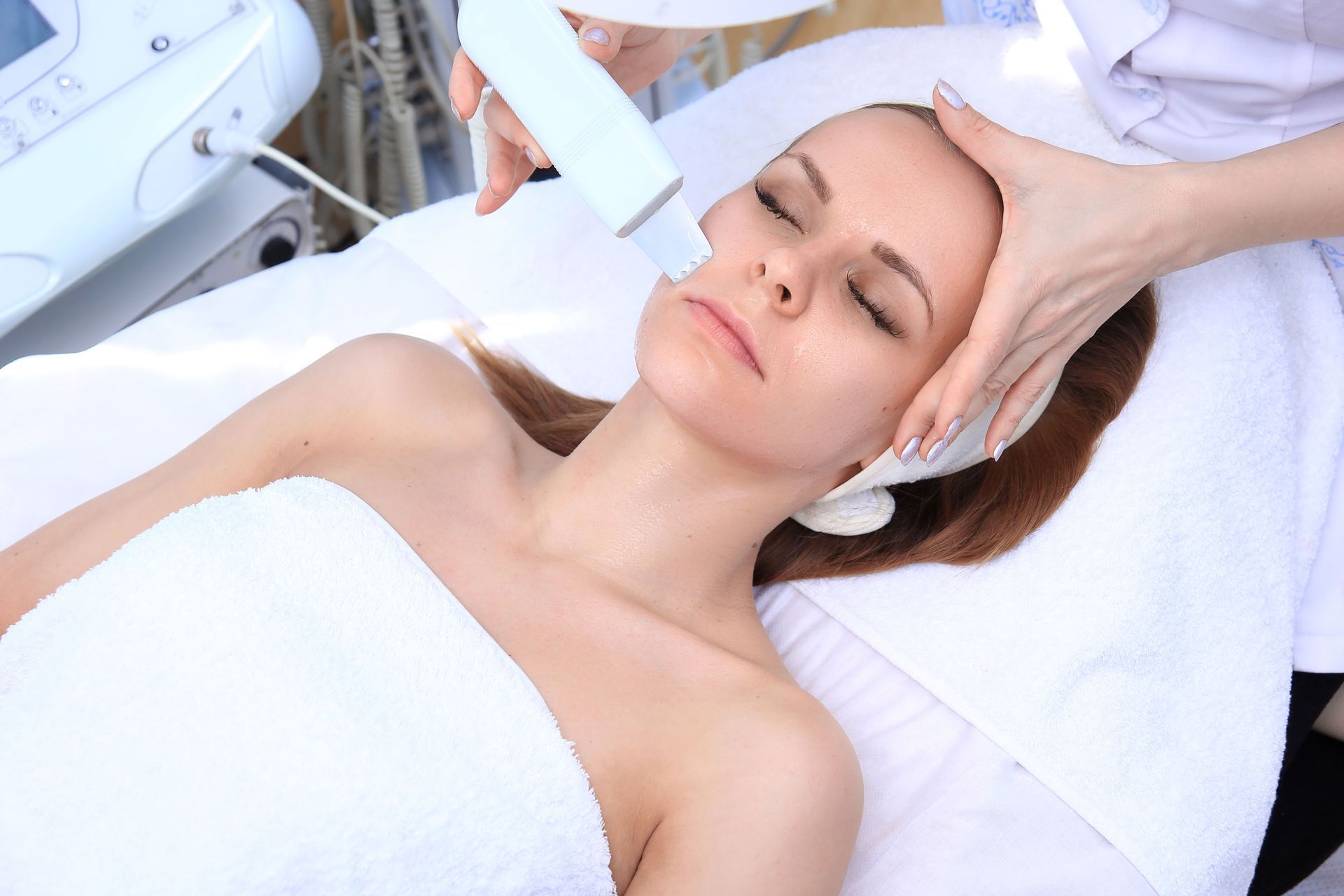

August 28, 2026
Medical spas combine digital convenience, preventative skincare, and holistic wellness to deliver subtle, natural results for modern patients.

May 29, 2026
Medical spas have increased their offered services as well as their capabilities in recent years. New services are making these spas more appealing to men.
April 30, 2026
Discover why lip injections are so popular, from enhancing volume and shape to achieving natural-looking results with minimal downtime and quick treatments.