How Do HIPAA and Privacy Laws Apply to Med Spa Clients?
November 19, 2025
November 19, 2025
Highlights
- HIPAA applies to med spas when medical professionals provide or store identifiable health information.
- Privacy laws protect client records, photos, and treatment notes from unauthorized sharing.
- Staff training and secure record-keeping systems are key to HIPAA compliance.
- Clients have legal rights to access and control their medical and aesthetic data.
- SKIN Lab Aesthetic Beauty Studio in Tupelo, MS, follows strict confidentiality standards for all treatments.
Understanding HIPAA in the Med Spa Setting
The Health Insurance Portability and Accountability Act (HIPAA) was created to protect patients’ private health information in medical environments. While some people associate it only with hospitals or doctors’ offices, it also extends to med spas that provide medical treatments such as injectables, laser therapies, or IV drips. If a spa employs licensed medical professionals and stores or transmits client data electronically, it must comply with HIPAA rules. These laws ensure that identifiable information—like treatment notes, consultation forms, and photos—is not disclosed without the client’s explicit consent.Protected Health Information and Client Privacy
HIPAA covers any data that can identify a client, known as Protected Health Information (PHI). This includes names, birth dates, contact information, treatment photos, and details about past or current procedures. According to the U.S. Department of Health and Human Services (HHS) , med spas that bill insurance, maintain electronic records, or have a medical director fall under the definition of a “covered entity.” This means every piece of health data must be handled with care—secured, encrypted, and disclosed only for legitimate treatment, payment, or operations-related reasons.Staff Training and Compliance Procedures
Compliance begins with education. Every staff member who handles client information should understand what Health Insurance Portability and Accountability Act (HIPAA) requires and how to apply it daily. Proper staff training prevents careless mistakes, such as discussing a client’s treatment in public areas or leaving documents unattended. Routine audits, signed confidentiality agreements, and secure login protocols help maintain a strong culture of privacy and accountability. According to the American Medical Association (AMA) , failure to comply can lead to civil and criminal penalties, even for smaller-scale disclosures of protected health information.FAQ
Client Rights and Record Access
HIPAA not only protects client data but also empowers individuals with rights. Clients can request copies of their records, corrections to inaccurate information, and details about who accessed their files. Med spas must provide these upon request within a reasonable timeframe. Clients also have the right to request that certain information not be shared, even within the organization. These rules create transparency and trust, assuring clients that their personal data is never used for marketing or non-treatment purposes without permission.Data Security and Electronic Storage
Modern med spas often use digital scheduling systems, EMRs, or patient portals to manage records. This convenience requires strict cybersecurity measures. According to the National Center for Biotechnology Information (NCBI) , encryption, firewalls, and secure logins are essential to protecting electronic PHI. Unauthorized access—even by accident—can result in HIPAA violations. Strong password policies, data backups, and routine software updates safeguard against digital threats and help maintain compliance in today’s technology-driven aesthetic industry.Handling Consent and Before-and-After Photos
Before-and-after photos are standard in aesthetic medicine, but they must be managed carefully. Written consent must specify how and where images will be used—marketing, internal documentation, or staff education. Clients should receive a copy of any consent form they sign. Med spas that store photos digitally must treat them like medical records under HIPAA, ensuring secure storage and restricted access. A professional practice like SKIN Lab Aesthetic Beauty Studio in Tupelo, MS, includes photo consent within every client file to avoid misunderstanding or misuse of personal imagery.FAQ
Third-Party Vendors and Confidentiality
Many med spas rely on third-party vendors for marketing, scheduling, or record management. If these vendors access PHI, they must sign a Business Associate Agreement (BAA), ensuring they follow HIPAA requirements. Without a BAA, sharing client data—even unintentionally—could lead to a breach. Business associates must also implement security safeguards and report incidents promptly. For med spa owners, vetting vendors is as important as training staff, since the law holds both parties accountable for mishandled health information.Incident Response and Reporting Breaches
Despite the best precautions, data breaches can occur through phishing, theft, or system errors. HIPAA mandates immediate action—identifying affected clients, securing systems, and notifying the Office for Civil Rights if the breach involves more than 500 individuals. Internal logs must document every step of response and remediation. Transparent reporting helps restore trust and demonstrates accountability. Med spas that proactively review their data protection policies often minimize risk and maintain credibility in a competitive marketplace.Best Practices for Client Privacy
Protecting client privacy is a continuous effort involving technology, training, and transparency. Best practices include maintaining secure Wi-Fi, locking treatment-room computers, shredding paper records, and conducting quarterly audits. Clients should feel comfortable asking how their information is stored or used. Clear communication builds trust and reflects professionalism. A med spa that treats confidentiality as part of the client experience, rather than an afterthought, stands out as a reliable and ethical provider in today’s beauty and wellness industry.
August 28, 2026
Medical spas combine digital convenience, preventative skincare, and holistic wellness to deliver subtle, natural results for modern patients.

May 29, 2026
Medical spas have increased their offered services as well as their capabilities in recent years. New services are making these spas more appealing to men.
April 30, 2026
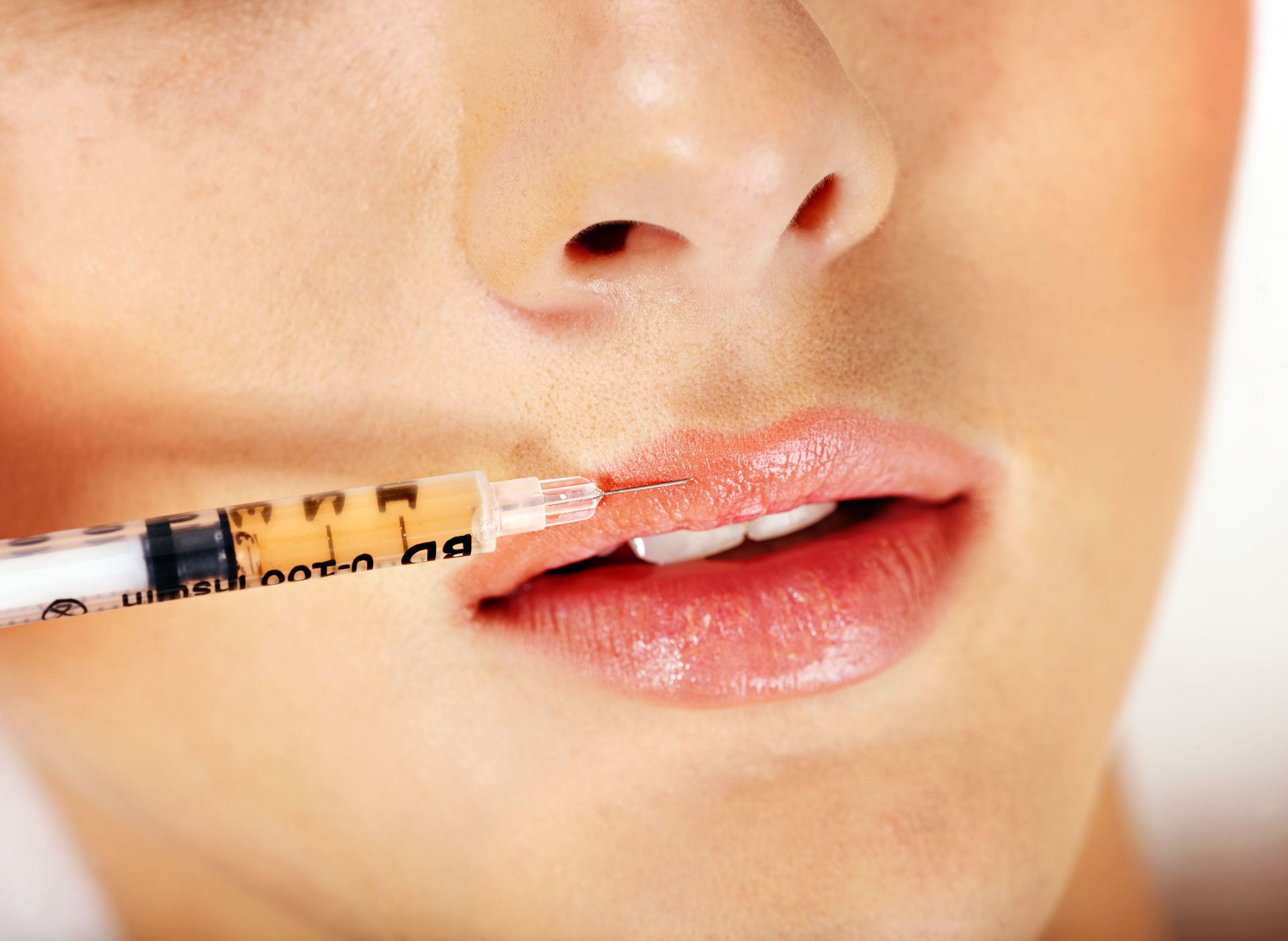
Discover why lip injections are so popular, from enhancing volume and shape to achieving natural-looking results with minimal downtime and quick treatments.