April 6, 2026
Preparing for a lip injections treatment requires a careful and general understanding of the process. As possibilities for cosmetic enhancements grow, so does the need for informed preparation. The popularity of lip injections has surged, driving demand for responsible information. With that in mind, this guide explores critical steps to ensure a safe and satisfying experience. By understanding and following this guide, you can achieve desirable results with minimized risks.
Selecting a Qualified Practitioner
Choosing a qualified practitioner is one of the most crucial steps in preparing for your lip injection treatment. Begin by researching the credentials of potential practitioners. Look for those with extensive experience in lip augmentations specifically, as specialization can provide additional assurance of skill. Credentials such as board certifications in dermatology or plastic surgery are significant markers of expertise. Always opt for practitioners who have completed relevant training and have ample procedural experience.
Patient reviews and testimonials are valuable resources when selecting a practitioner. They offer insights into others' experiences, shedding light on factors such as bedside manner, procedural effectiveness, and post-treatment care. Be cautious of overwhelmingly negative reviews, as they may indicate consistent issues with the practitioner. Similarly, overwhelmingly positive reviews should be scrutinized for authenticity. Seek a lip injections treatment practitioner whose reviews reflect consistent satisfaction across multiple aspects of care.
Before committing to a practitioner, schedule consultation appointments to assess compatibility and comfort level. During these consultations, observe the practitioner's willingness to answer questions and provide detailed explanations. This interaction should give you a sense of their communicative approach and concern for patient comfort. Ensure that they discuss your desired outcomes openly and offer realistic expectations. A good practitioner will also evaluate your medical history to determine the suitability of the procedure.
Understanding the Procedure
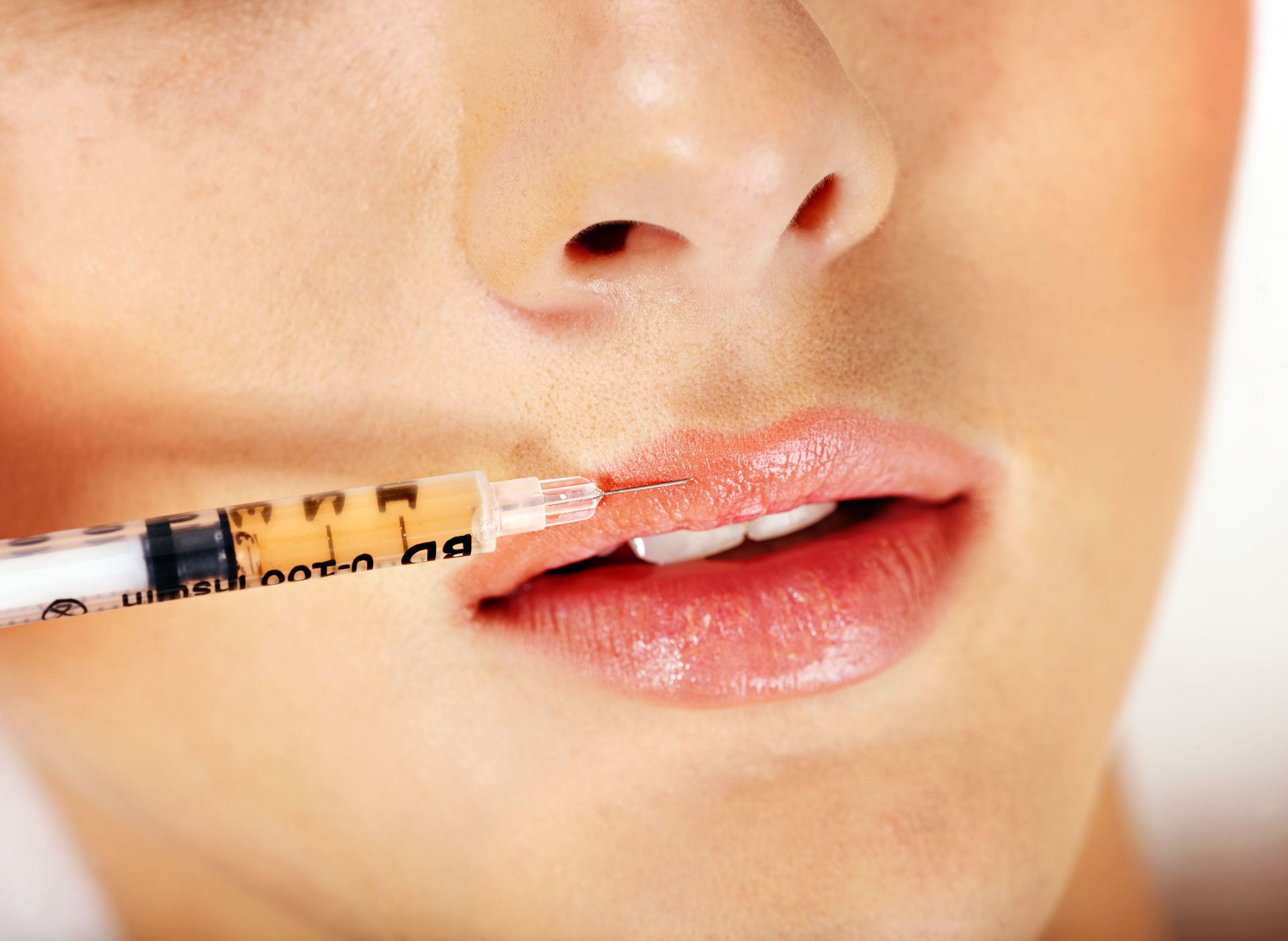
The lip injections treatment process is a minimally invasive technique designed to enhance lip volume and shape. Initially, a topical anesthetic may be applied to ease discomfort during injections. Once numb, the practitioner will use a fine needle to inject the filler substance into targeted areas of the lips. The entire procedure typically takes 30 minutes to an hour, with results visible immediately but continuing to evolve as swelling subsides. It's important for patients to be well-informed about this process to manage their expectations effectively.
A wide variety of fillers are available for lip injections, primarily composed of hyaluronic acid, a substance naturally found in the body. Common products include Juvederm, Restylane, and Belotero, each offering unique characteristics and longevity. The choice of filler influences the texture, appearance, and duration of results. Understanding the differences between fillers helps in selecting the one that best aligns with your aesthetic goals. Consultation with your practitioner will further guide this decision, ensuring selection of an appropriate filler for your needs.
While generally safe, lip injections are not without risks and side effects. Common, mild side effects include swelling, bruising, and tenderness, typically resolving within a week. According to a 2024 scoping review on lip augmentation complications, around 15-20% of patients experienced mild to moderate swelling and bruising after lip filler injections. More serious complications, such as infection or vascular occlusion, are rare but possible, emphasizing the importance of choosing a skilled practitioner. Discuss all potential risks with your practitioner to make an informed decision.
Preparing for Pre-Treatment
Prior to your lip injections treatment, it's advisable to review your current medication and supplement intake with your practitioner. Blood-thinning medications and supplements like aspirin, ibuprofen, and vitamin E may increase the risk of bruising. Discontinuation is often recommended about a week before the procedure, with your physician's approval. Herbal supplements such as fish oil and ginkgo biloba may also affect bruising and should be discussed. Such precautions are essential to minimize complications and ensure optimal results.
Alcohol and smoking can adversely affect the healing process and should be avoided both pre- and post-procedure. These substances can increase the risk of swelling and bruising and may complicate recovery. Alcohol acts as a blood thinner, while smoking impairs circulation, both detrimental to healing tissues. Ideally, alcohol should be avoided for at least 24 hours before and after your lip injections. Smoking cessation for as long as possible facilitates better healing outcomes and prolonged results.
Proper skin care and gentle exfoliation are beneficial in preparing for lip injections. Maintaining smooth and hydrated lips allows for easier and more effective filler application. Avoid aggressive exfoliation or lip treatments close to the procedure date to prevent irritation. Gentle alternatives such as sugar lip scrubs or soft-bristled toothbrushes can be helpful. Regular use of a hydrating lip balm ensures your lips are in optimal condition for the injections.
Recognizing and Managing Anxiety
Treatment-related anxiety is a common experience for many considering cosmetic procedures. It often stems from concerns about pain, uncertainty about outcomes, or fear of undesired changes. Recognizing that such anxiety is normal helps in taking proactive steps to manage it. Discussing fears with a supportive practitioner can demystify the process and ease anxieties. Understanding the procedure in-depth often reduces apprehension and builds confidence in the decision-making process.
Incorporating relaxation techniques and meditation into your routine can considerably reduce anxiety. Techniques such as deep breathing, progressive muscle relaxation, and guided imagery cultivate a sense of calm. Meditation practices promote mindfulness, reducing tension and encouraging a relaxed mental state. Consistent practice leading up to the procedure helps frame your experience positively. Such techniques are practical tools in managing stress and fostering a sense of control.
Leaning on friends and family for support can be invaluable during this period. Sharing your intentions and potential anxieties provides emotional relief and affirming encouragement. Loved ones can offer advice based on personal experiences or simply be a comforting presence. Consider bringing a trusted friend or family member to consultation appointments for additional support. A strong support network can bolster your confidence and contribute to a positive experience.
Following Post-Treatment Care
Following the immediate post-procedure guidelines is crucial for optimal recovery. These typically include using ice packs to reduce swelling and avoiding massaging or manipulating the treated area. Refrain from using makeup on the lips for at least 24 hours to allow your skin to breathe. It is also advised to avoid extreme temperatures, such as hot baths or saunas, within the first 48 hours. Compliance with these guidelines sets the stage for smooth healing and desirable results.
Swelling and bruising are common initial reactions to lip injections. In our experience, they typically peak within 48 hours and subside thereafter but can be managed to enhance comfort. Applying cold compresses soon after treatment helps mitigate swelling. Arnica or bromelain supplements may be recommended to accelerate bruise reduction, although it's important to get your practitioner's approval first. Ensuring adequate rest and hydration further fosters a faster recovery process.
For at least 24 to 48 hours following your procedure, we believe it's wise to avoid certain activities that may hinder recovery. These include heavy exercise, exposure to intense heat, and consuming alcohol, as they can exacerbate swelling and bruising. Additionally, steer clear of facial massages or any pressure on the treated area to prevent filler displacement. Protect the lips from direct sunlight, as UV exposure can affect the skin's recovery. By adhering to these restrictions, you enhance your healing process and preserve treatment results.
Ensuring a successful
lip injections treatment begins with thoughtful preparation, informed decisions, and proper aftercare. When these elements work together, individuals can pursue their cosmetic goals with greater confidence and reduced risk, resulting in a safe and satisfying outcome. Every stage of the process, from consultation to recovery, plays an important role in achieving natural-looking, lasting results. With the right knowledge and professional guidance, you can feel empowered throughout your aesthetic journey. To learn more or schedule a personalized consultation, contact SKIN Lab Aesthetic Beauty Studio today and take the next step toward enhancing your appearance safely and confidently.