March 10, 2026
Lip injections, commonly known as lip fillers, have become a popular cosmetic procedure for enhancing volume, shape, and overall facial harmony. By understanding the types of fillers available—most commonly hyaluronic acid-based products—individuals can make informed choices about the results they desire, the procedure itself, and potential side effects. Evaluating your aesthetic goals, realistic expectations, and facial proportions is key to achieving a natural, balanced outcome.
Lip Injections: What Are They?
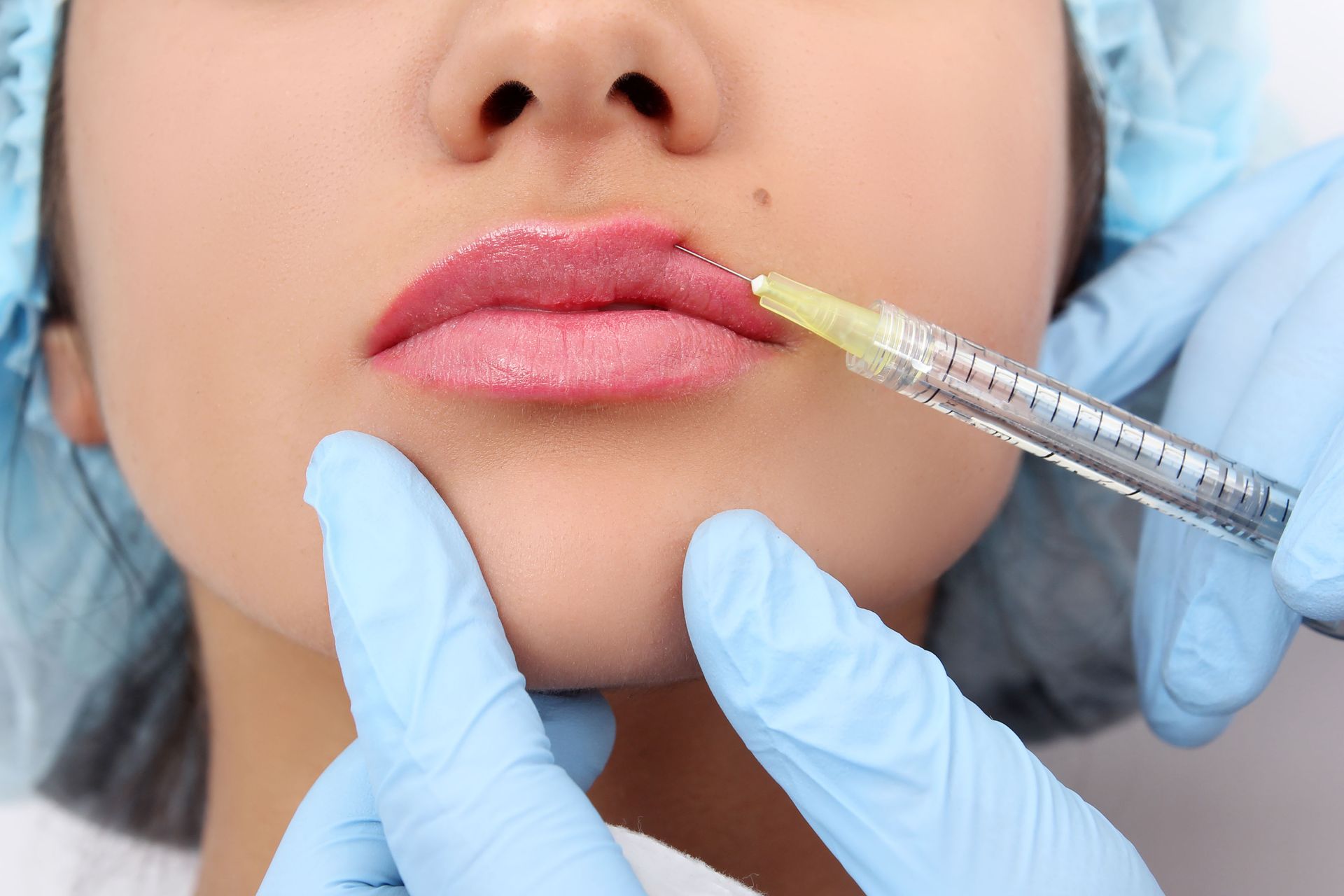
Lip injections, often referred to as lip fillers, are a cosmetic procedure involving the injection of substances into the lips to increase volume and alter their shape. The most common ingredient used in lip fillers is hyaluronic acid, a naturally occurring substance in the body that retains moisture and plumps the skin. When injected into the lips, it binds with water molecules to create a fuller appearance. Although the science of lip injections has progressed significantly over the years, understanding the composition and effect of these fillers is essential. By knowing the science, individuals can make informed decisions based on the ingredients and their potential risks.
Several types of lip fillers are available on the market, with hyaluronic acid-based fillers being the most popular due to their simple reversibility. Brands like Juvederm and Restylane offer various formulations designed to address specific aesthetic goals, such as enhancing volume or defining the lip contour. Collagen-based fillers were once popular but have lost favor due to the synthetic alternatives that offer more natural results and fewer allergic reactions. Additionally, poly-L-lactic acid and calcium hydroxylapatite are used but are less common for lips because they're typically intended for deeper tissue areas. Understanding these options helps determine which filler best aligns with your desired outcome and safety preferences.
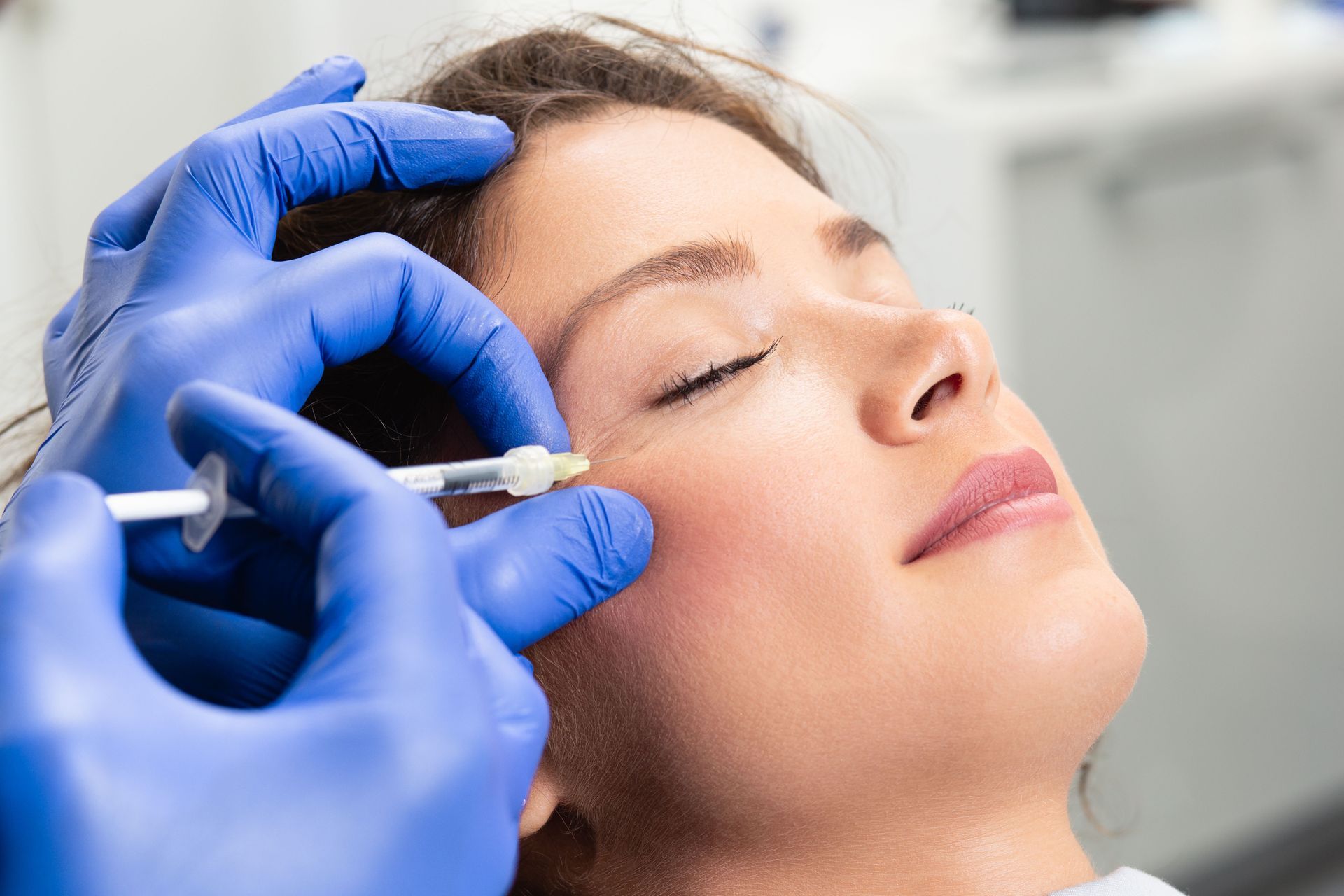
The lip injection procedure is typically quick and minimally invasive, often completed within 30 minutes. A topical numbing agent is applied to reduce discomfort during the injections, making the process relatively painless for most people. The practitioner strategically injects the filler into areas of the lips to achieve the desired shape and volume. Following the injections, some swelling and minor bruising are common but usually subside within a few days. Understanding what the procedure entails can alleviate anxiety and prepare individuals for the brief recovery period during which full results will become visible.
The results of lip injections normally last between six months to a year, depending on individual metabolism and the specific product used. Some may consider the cost and temporary nature of fillers as drawbacks, while others view them as opportunities to experiment with different looks without permanent commitment. Comparing costs and longevity with other beauty enhancements helps gauge value and align with budgetary constraints. Effective planning is essential to maintaining results through periodic touch-ups or deciding on alternative, longer-lasting solutions.
Evaluating Your Aesthetic Goals
An important first step in deciding on lip injections is assessing your current lip volume and how it fits with your overall facial features. Understanding what you aim to achieve from the procedure requires a clear sense of your lips' natural shape and size. Many people seek augmentation to boost self-confidence and personal satisfaction while maintaining harmony with other facial elements. Examining your lips in relation to the rest of your face can uncover insights into whether subtle enhancements or more dramatic changes align with your goals. Consulting with professionals who can visualize potential outcomes enhances the self-assessment process.
Once you assess your current lip volume, considering the specific enhancements you desire becomes necessary. Realistic outcomes are influenced by factors such as skin type, facial anatomy, and the degree of enhancement sought. Setting clear but realistic expectations prevents disappointment and improves satisfaction with results. It's essential to contemplate what draws you to lip augmentation, whether it's fuller lips, better symmetry, or simply trying a trendy look. Thoroughly reviewing portfolios and before-and-after photos ensures understanding and communication of what is feasible.
A crucial objective in lip augmentation is achieving balance and symmetry, both within the lips and with the rest of the face. Enhancement efforts should focus on complementing the natural proportions of the facial features to avoid an unnatural look. Practitioners assist in identifying asymmetries and devising a plan to harmonize them through injection placement. Software simulations or manipulation of photographs may be used to preview potential alterations and refine the aesthetic vision. Striking a proportionate balance is key in achieving satisfaction and confidence from lip enhancements.
While enhancing lip volume impacts physical appearance, it's also important to consider the role of lips in facial expressions. Every movement, from smiling to frowning, involves the lips, influencing emotional communication and perception by others. Overaugmentation can limit expressiveness, so maintaining functionality while improving looks is a delicate balance. Seeking providers who prioritize both aesthetic appeal and functional retention ensures practical enhancements to everyday interactions. Ensuring compatibility between new lip dimensions and natural expressions preserves fundamental non-verbal communication nuances.
Analyzing the Potential Risks and Complications
Understanding and mitigating risks such as allergic reactions and sensitivities are priorities when considering lip injections. Though rare, reactions can occur if the body perceives filler components as foreign, causing inflammation or other adverse effects. Before undergoing the procedure, allergy testing or discussing personal medical history with a practitioner helps identify potential risks. Selecting biocompatible, high-quality fillers further reduces the likelihood of complications for those with sensitivities. By prioritizing safety and awareness, individuals make informed choices that effectively minimize health-related concerns.
Common side effects include temporary swelling, bruising, and minor discomfort at the injection site, generally subsiding in a few days. Education and transparency play roles in preparing individuals for these minor inconveniences, fostering realistic expectations. Practitioners provide detailed aftercare instructions to mitigate and expedite resolution of these side effects. Communicating with professionals about any lingering effects or abnormalities ensures prompt attention and correction. Adequate understanding and preparation contribute to success and satisfaction with the procedure.
Considering the long-term implications of lip injections and their maintenance is a critical part of the decision-making process. Fillers gradually deteriorate, requiring touch-ups for consistent results. Regular maintenance ensures continued fulfillment of aesthetic desires, demanding commitments of time, finances, and effort. Moreover, according to a 2025 longitudinal study published by the National Institutes of Health, search interest for lip fillers in the US rose approximately 75% on average per month over the past decade, suggesting increased acceptance yet also a heightened need for consumer education on long-term planning. Anticipating and planning for these dynamics creates a more seamless aesthetic journey.
A successful and safe lip injection experience hinges on the expertise and qualifications of the selected practitioner. With rising demand for lip fillers, ensuring practitioners have the appropriate credentials, experience, and understanding of facial anatomy is crucial. Highly-skilled professionals deliver tailored results with minimized risks, balancing between aesthetics and structure. Verifying certifications through professional associations or boards provides assurance of competence and industry standards. Choosing qualified providers honors a commitment to self-care and optimized cosmetic outcomes.
Achieving fuller, well-proportioned lips requires thoughtful planning, realistic expectations, and a focus on safety. By consulting with a licensed, experienced practitioner, understanding the procedure, and considering long-term maintenance, you can enjoy beautiful, natural-looking results with minimal risk. Ready to enhance your smile and facial harmony? Schedule a consultation with SKIN Lab Aesthetic Beauty Studio today and take the first step toward your ideal look.