November 21, 2026
Healthy-looking skin often comes down to texture, tone, and how well the skin maintains its natural structure. Concerns such as uneven texture, visible pores, fine lines, acne scars, and changes in firmness can affect the complexion over time. While skincare products can help maintain the skin's appearance, some concerns may benefit from treatments that work beyond the skin's surface.
Microneedling is a cosmetic treatment designed to encourage the skin's natural renewal processes. By creating controlled micro-injuries, the procedure stimulates the body's repair response and supports collagen production. This process can gradually improve the appearance of uneven texture and other common skin concerns. Understanding how the treatment works, what it addresses, and what to expect can help individuals decide whether it belongs in their skincare routine.
What Microneedling Does for Skin Texture
Uneven skin texture can develop for several reasons, including acne scarring, sun exposure, aging, and changes in collagen production. These factors can leave the complexion looking rough, uneven, or less refined. Microneedling addresses these concerns by creating tiny, controlled channels in the skin using specialized needles.
As the skin begins repairing itself, collagen and elastin production are encouraged. These proteins contribute to the skin's structure, firmness, and elasticity. Supporting their production can help improve the appearance of uneven areas and create a smoother overall complexion.
Another benefit is that the procedure can address different textural concerns rather than focusing on a single visible issue. Individuals concerned about rough patches, enlarged pores, or mild acne scarring may find that improved skin renewal helps create a more refined appearance.
Unlike treatments that simply provide temporary surface hydration, microneedling works by stimulating processes within the skin. This makes it an option for individuals interested in supporting longer-term improvements in skin texture. A professional consultation can help determine whether the procedure is appropriate for specific complexion concerns.
How Collagen Production Supports a Smoother Complexion
Collagen is an important structural protein that helps maintain the skin's firmness and overall appearance. As the body ages, natural collagen production gradually declines. Environmental exposure, including sunlight and pollution, can also contribute to changes in the skin's structure. These changes may become noticeable through fine lines, reduced elasticity, and uneven texture.
Microneedling encourages collagen production by activating the body's natural repair mechanisms. The controlled treatment creates small channels that signal the skin to begin its healing response. During this process, the body works to repair the treated areas and produce supportive proteins.
Elastin is another important protein involved in maintaining skin flexibility. Alongside collagen, it helps the skin retain a firmer, more resilient appearance. Supporting the production of these proteins can contribute to improvements in areas where the skin appears less smooth or elastic.
Because collagen development takes time, improvements are generally gradual rather than immediate. Individuals may notice changes in skin texture as the healing process progresses.
Skin Concerns That May Benefit From Treatment
One reason microneedling is popular is its versatility. The treatment can be used to address several common cosmetic concerns involving skin texture and appearance. Acne scars are among the concerns frequently discussed during consultations because uneven areas left behind by previous breakouts can affect the complexion long after active acne has cleared.
Fine lines and early signs of aging may also be appropriate concerns to discuss with a skincare professional. By supporting collagen production, the treatment may help soften the appearance of certain lines and improve overall skin texture. Although it cannot stop the natural aging process, it can support a refreshed appearance.
Enlarged pores are another concern that may benefit from improved skin texture. Pore size is influenced by several factors, including genetics, oil production, and skin elasticity. While microneedling does not permanently eliminate pores, improving the surrounding skin's texture and firmness may make them appear less noticeable.
Individuals experiencing uneven skin tone or rough surface areas may also benefit from a professional assessment. Treatment suitability depends on the underlying cause of the concern, skin sensitivity, and medical history.
What to Expect During a Microneedling Appointment
Understanding the treatment process can help individuals feel more comfortable before scheduling an appointment. A professional session typically begins with an evaluation of the skin and a discussion of personal goals. The provider examines areas of concern, reviews relevant medical information, and determines whether the treatment is suitable.
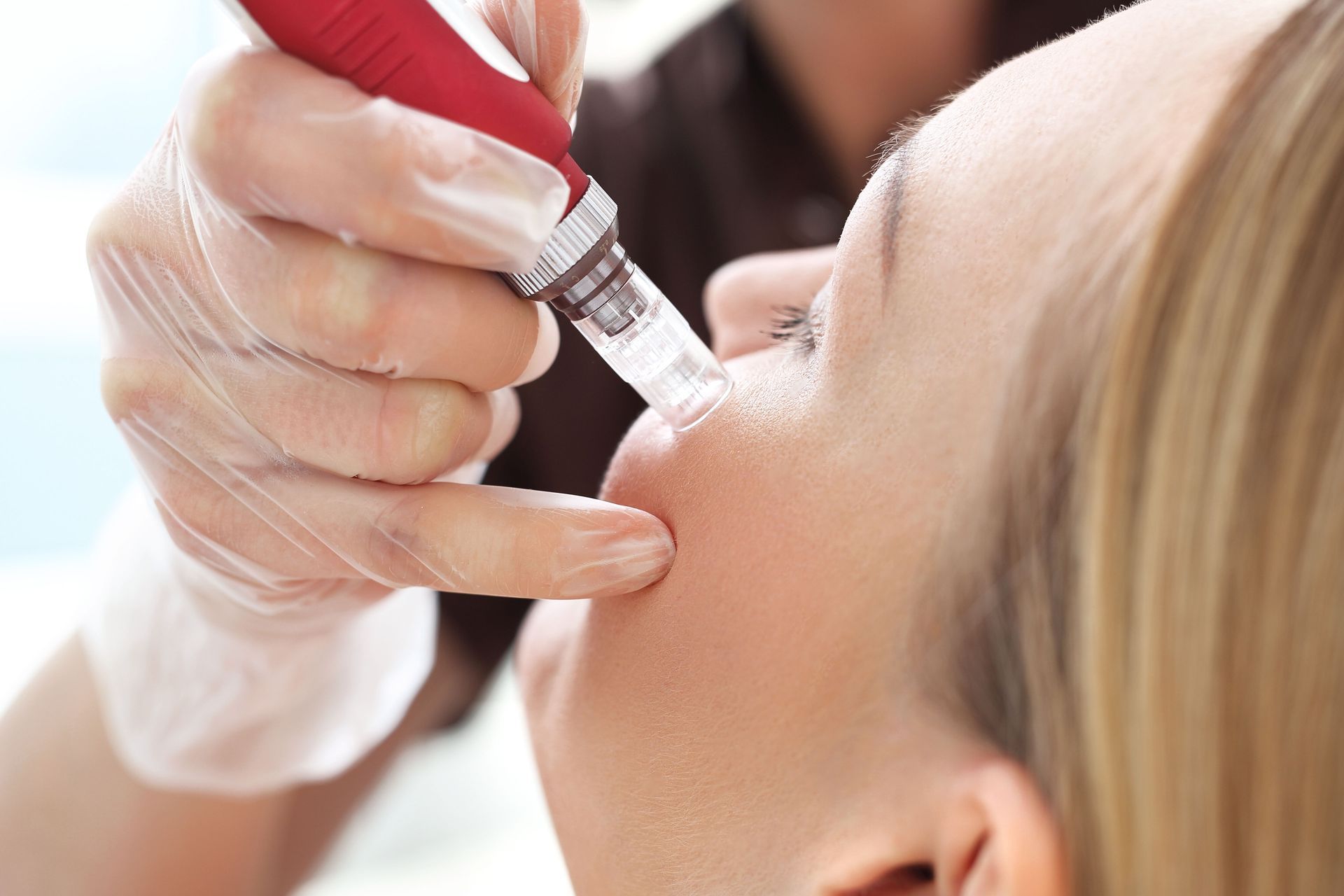
The skin is cleansed before the procedure to remove makeup, oil, and other surface impurities. A topical numbing product may be applied to improve comfort during treatment. Once the skin is prepared, the provider uses a specialized microneedling device to create controlled channels across the selected treatment areas.
According to Healthline, an individual microneedling appointment can take approximately 30 minutes. The actual time may vary depending on the areas being treated, preparation requirements, and the provider's approach. Patients should ask about the expected appointment process during their consultation.
During treatment, individuals may experience mild pressure, tingling, or a prickling sensation. The level of discomfort varies based on personal sensitivity and the treatment area. Afterward, temporary redness and sensitivity are common as the skin begins its natural recovery process.
Recovery and Skincare After Treatment
Proper aftercare is an important part of achieving a comfortable recovery and supporting the skin's renewal process. Immediately following microneedling, the treated areas may appear red or feel similar to mild sunburn. Some individuals also experience temporary dryness, tightness, or sensitivity. These effects generally improve as the skin heals.
Keeping the skin clean and following the provider's aftercare instructions can help minimize unnecessary irritation. Gentle skincare products are generally preferable during the initial recovery period. Harsh exfoliants, strong active ingredients, and irritating treatments should be avoided until the skin has recovered sufficiently.
Sun protection is especially important after treatment. Recently treated skin may be more sensitive to environmental exposure, making daily sunscreen use an important consideration. Limiting direct sunlight and following professional recommendations can help protect the complexion during recovery.
Hydration also supports overall skin health. Using appropriate moisturizers can help maintain the skin's moisture barrier and reduce uncomfortable dryness. Patients should avoid picking, scratching, or aggressively rubbing treated areas because these actions may interfere with healing.
Recovery experiences vary depending on skin sensitivity, treatment intensity, and individual healing characteristics. Patients should contact their provider if they experience unexpected reactions or symptoms that cause concern.
Maintaining Results and Supporting Skin Health
Microneedling can support improvements in skin texture, but maintaining a healthy complexion requires consistent care beyond the appointment. A thoughtful skincare routine helps protect the skin barrier, maintain hydration, and support the results achieved through professional treatments.
Daily sunscreen is particularly important because ultraviolet exposure contributes to collagen breakdown, discoloration, and visible signs of aging. Protecting the skin from excessive sunlight can help preserve its appearance and reduce the development of additional concerns.
Moisturizing regularly supports the skin's natural protective barrier. Ingredients that help attract and retain moisture can improve the appearance of dryness and leave the complexion looking more supple. A skincare professional can recommend products that complement treatment while accommodating individual sensitivities.
Treatment frequency should be determined through professional evaluation rather than a predetermined schedule. Some individuals may benefit from additional appointments, while others may achieve their goals through a different approach. Skin condition, desired improvements, and recovery patterns all influence treatment planning.
Microneedling offers an approach to improving skin texture by encouraging natural collagen production and supporting the body's renewal process. From uneven texture and acne scarring to fine lines and visible pores, the treatment may help address several common cosmetic concerns. The best results begin with an individualized assessment and a treatment plan suited to the skin's needs. Schedule a professional consultation with SKIN Lab Aesthetic Beauty Studio to explore your skincare options and take the next step toward a smoother, more refreshed complexion.